Categories
15
Respecting Local Traditions: Middle Eastern Etiquette
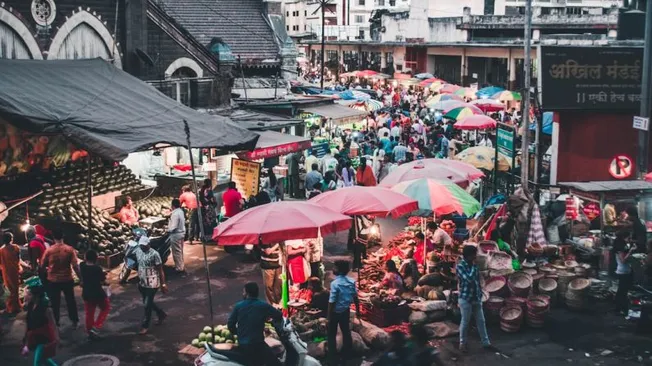
When visiting a new country or region, it's essential to familiarize yourself with its cultural norms and etiquettes. This is especially true when traveling to the Middle East, a region known for its rich history, diverse cultures, and deeply rooted traditions. By understanding and respecting the local customs, you not only show reverence for the host country but also ensure a more pleasant and fulfilling travel experience.
Understanding Middle Eastern Etiquette
Middle Eastern etiquette is heavily influenced by a blend of religion, tradition, and social customs. Respect for elders, hospitality, and modesty are highly valued in the region. It's crucial for visitors to be mindful of these cultural nuances to avoid unintentionally causing offense.Greetings and Introductions
Greetings in the Middle East are often warm and accompanied by physical gestures such as handshakes, kisses on the cheek, or placing a hand over the heart. When meeting someone for the first time, it's customary to address them using their title and last name, preceded by the honorific "Mr." or "Ms." This demonstrates respect and acknowledges the person's status.Dress Code
Modesty in dress is paramount in many Middle Eastern countries, particularly for women. It's advisable to dress conservatively, covering the shoulders, cleavage, and knees. Wearing loose-fitting clothes that do not draw unnecessary attention is a sign of respect for the local culture and customs.Dining Etiquette
Hospitality plays a significant role in Middle Eastern culture, and guests are often treated with great warmth and generosity. When invited to someone's home for a meal, it's customary to bring a small gift as a token of appreciation. During the meal, it's polite to accept second helpings and to express gratitude for the hospitality shown.Religious Customs
Religion is a central aspect of life in the Middle East, with Islam being the predominant faith. Visitors should be respectful of local religious customs and practices. When entering a mosque, both men and women are expected to dress modestly and remove their shoes. It's also important to be mindful of prayer times and to avoid eating, drinking, or smoking in public during the holy month of Ramadan.Social Interactions
Personal space in the Middle East may be different from what you're accustomed to in Western cultures. It's common for people to stand closer together during conversations and maintain eye contact as a sign of attentiveness and respect. Engaging in friendly small talk and showing genuine interest in the lives of others are ways to build rapport and foster positive relationships.Respecting Gender Roles
Gender roles in the Middle East may differ from those in Western societies. It's important to be mindful of these cultural differences and to respect local customs regarding interactions between men and women. In public spaces, it is common for men and women to socialize separately, and displays of affection between couples may be frowned upon.Embracing the Culture
Immersing yourself in the local culture is a rewarding aspect of traveling to the Middle East. By learning about and respecting the traditions and customs of the region, you not only show respect for the host country but also gain a deeper understanding of its people and heritage. Being open-minded, adaptable, and willing to embrace new experiences will enhance your travel experience and leave a positive impression on those you encounter. In conclusion, embracing Middle Eastern etiquette is a way to show respect for the rich traditions and cultural heritage of the region. By understanding and adhering to local customs regarding greetings, dress, dining, religion, social interactions, and gender roles, you can navigate social situations with grace and sensitivity. Remember, a little effort to learn and respect the customs of the region can go a long way in fostering meaningful connections and creating lasting memories during your travels in the Middle East.Related Breaking
Related Features
Features
Mar 03
Sustainable Tourism
How to Leave No Trace while Exploring Nature
Feb 27
Budget Travel
Stretching Your Dollar: Traveling in Off-peak Seasons
Feb 21
Local Cuisine
Uncovering the Secrets of Traditional Cooking Methods Worldwide
Feb 21
Travel Health
Natural Remedies for Common Travel Ailments
Feb 19
Adventure Spots
Scaling Heights: Top Mountain Climbing Destinations
Feb 13
Cultural Etiquette
European Dining Etiquette: What You Need to Know
Feb 10
Packing Tips
The Art of Packing Light: a Minimalist's Guide
Feb 10
Solo Travel
Safety Tips Every Solo Traveler Needs
Feb 07
Adventure Spots
Sky’s the Limit: Unforgettable Skydiving Locations
Feb 06
Sustainable Tourism
Exploring the World’s Most Sustainable Cities
Jan 28
Cultural Etiquette
Cultural Sensitivity: Navigating Lgbtq+ Issues Globally
Jan 25
Adventure Spots
Adrenaline Rush: the World’s Most Exhilarating Zip Lines
Jan 23
Hidden Gems
Bulgaria's Unseen Beauty: a Journey through Time
Jan 19
City Breaks
Finding Solitude in Urban Jungles: Quiet Spaces in Busy Cities
Jan 09
Solo Travel
The Best Destinations for Solo Travelers
Jan 07
Hidden Gems